
The genre is growing faster than the overall US music market, driven by streaming, social media, festivals, and a new generation of artists bringing electronic music into the mainstream.
By Carlos Passage
Dance/electronic music is experiencing one of its strongest periods in the United States. According to data from Luminate, the genre is growing at a faster rate than the overall music market, fueling the possibility that the current boom represents more than just another passing phase.
The expansion of electronic music into the mainstream is being driven by a combination of factors: TikTok and other social media platforms, the growth of streaming, festivals, club activity, and a growing demand for concerts.
But the current phenomenon presents important differences compared to the great EDM (Electronic Dance Music) boom that dominated much of the last decade.
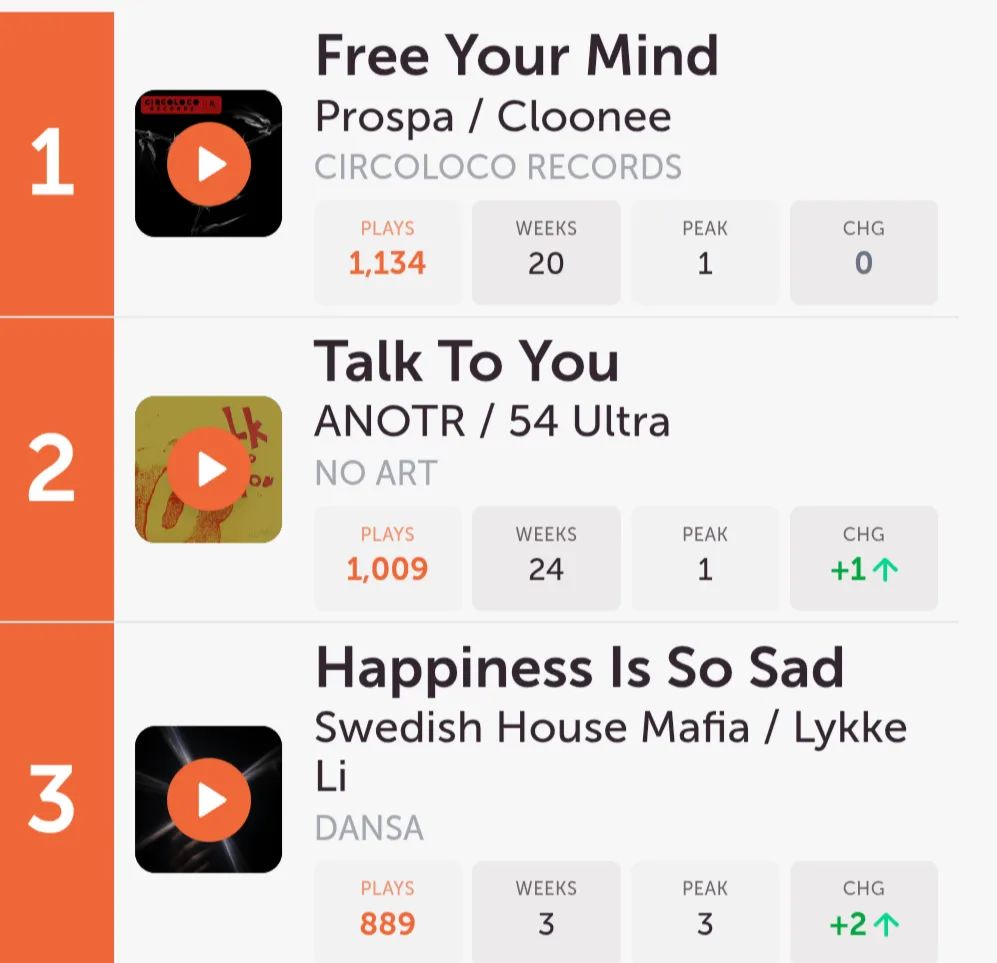
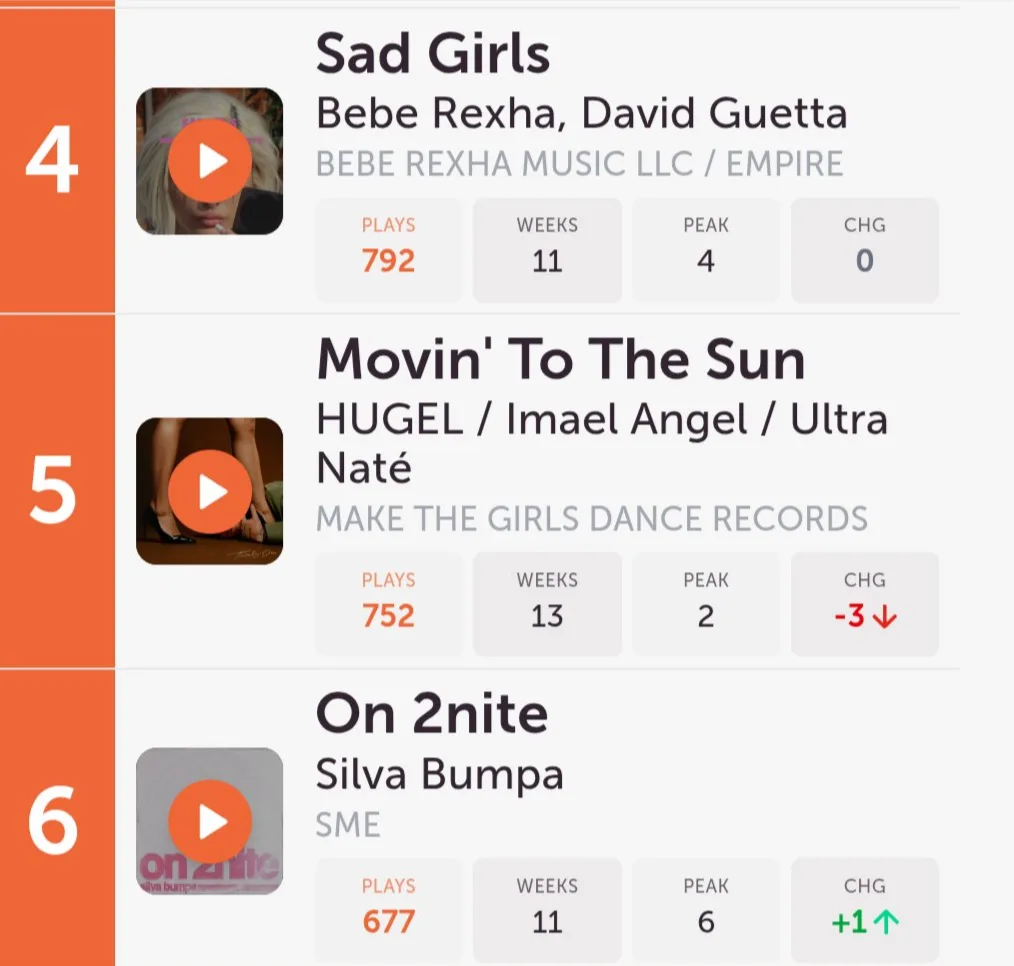
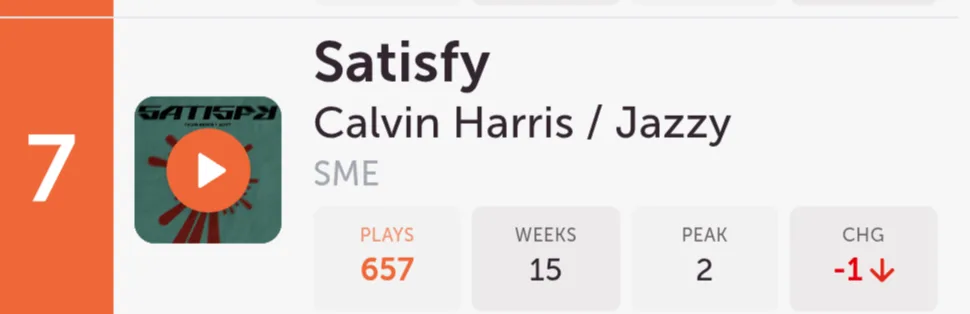
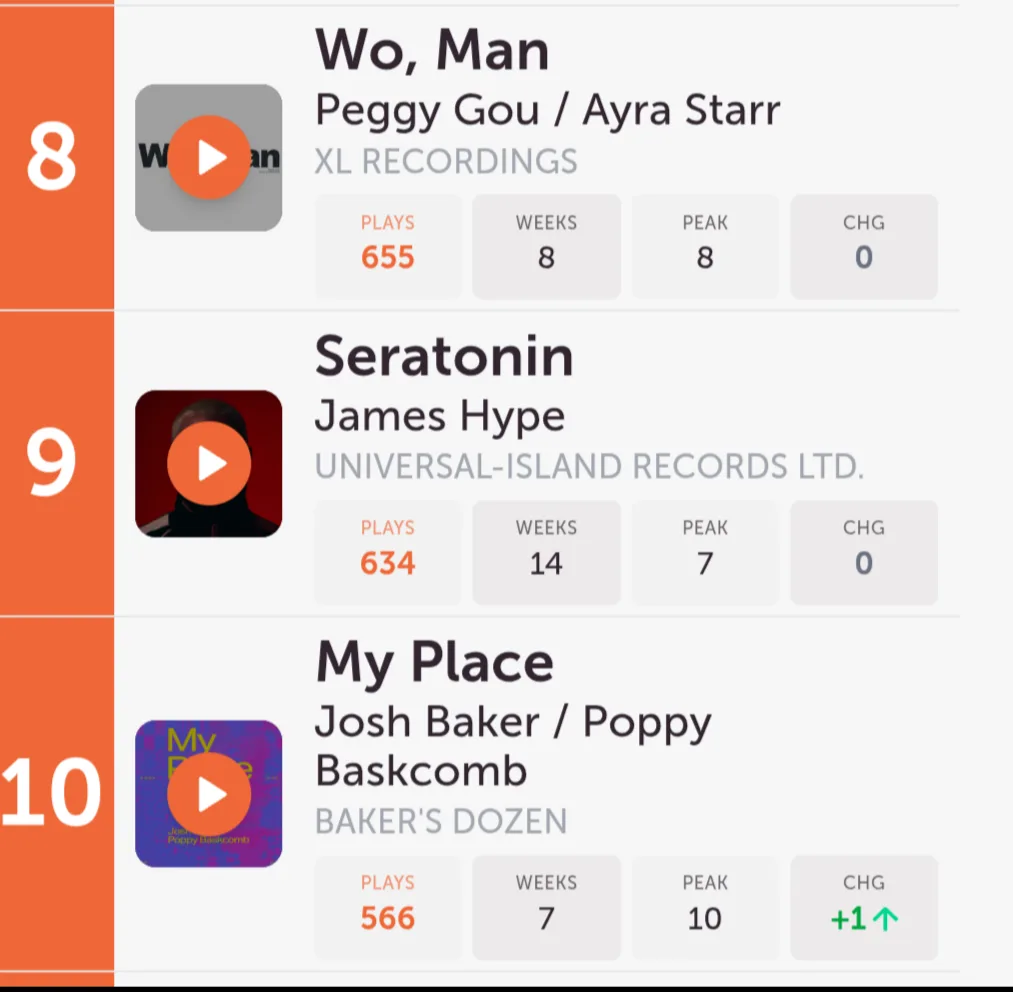
This new stage arrives at a particularly interesting time for the genre. A new generation of artists is blending house, techno, hyperpop, bass, eurodance, trance, and other electronic subgenres with structures, melodies, and strategies traditionally associated with pop music.
The big question, however, remains whether this growth can be sustained when current trends shift and new release cycles begin.
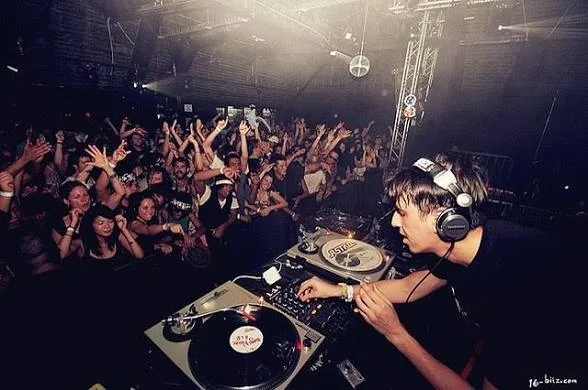
The numbers behind the growth
The data shows significant progress. Streaming consumption of dance/electronic music grew 18.9% year-over-year in 2026, making it the fastest-growing genre during the first half of the year.
Between January 2 and August 6, dance/electronic music generated 37.6 million album-equivalent units in the United States, compared to 28.8 million during the same period in 2025. This represents a 30.6% increase.
Overall, dance/electronic music now accounts for 4.23% of total music consumption in the United States, up from 4.12% during the same period last year.
Among the albums helping to drive the genre’s growth are:
John Summit — CTRL ESCAPE
Illenium — Odyssey
Slayyyter — Wor$t Girl in America
Growth is also evident in concerts
The surge in dance/electronic music isn’t limited to streaming. Demand for concerts is also showing signs of growth. According to Bandsintown data, clicks to ticket purchase links for dance artists increased by 23.7%, a higher growth rate than that seen for hip-hop, R&B, pop, rock, Latin, and country artists.
Furthermore, the number of followers of dance artists on the platform grew from 1.45 billion to 1.51 billion, representing approximately 60.8 million additional followers.
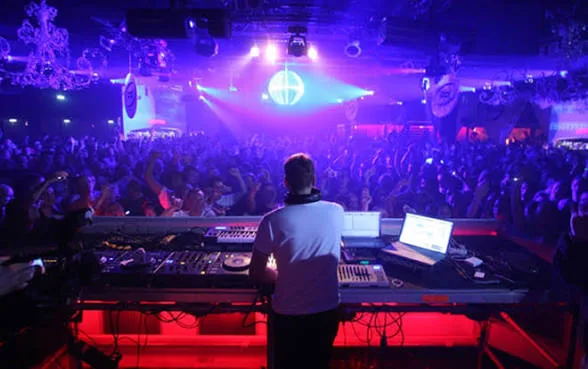
The signs are clear: dance/electronic music is gaining ground in both digital consumption and the live music economy.
The big question is whether this momentum can survive the inevitable shifts in trends that characterize the music industry. But if the current pace continues, 2026 could solidify as a new turning point for electronic music in the United States, marking a stage where the genre no longer relies solely on fleeting booms to compete at the heart of the music market.