
The creators behind each AI “artist” will be “directing the stage”, according to organisers SIQA
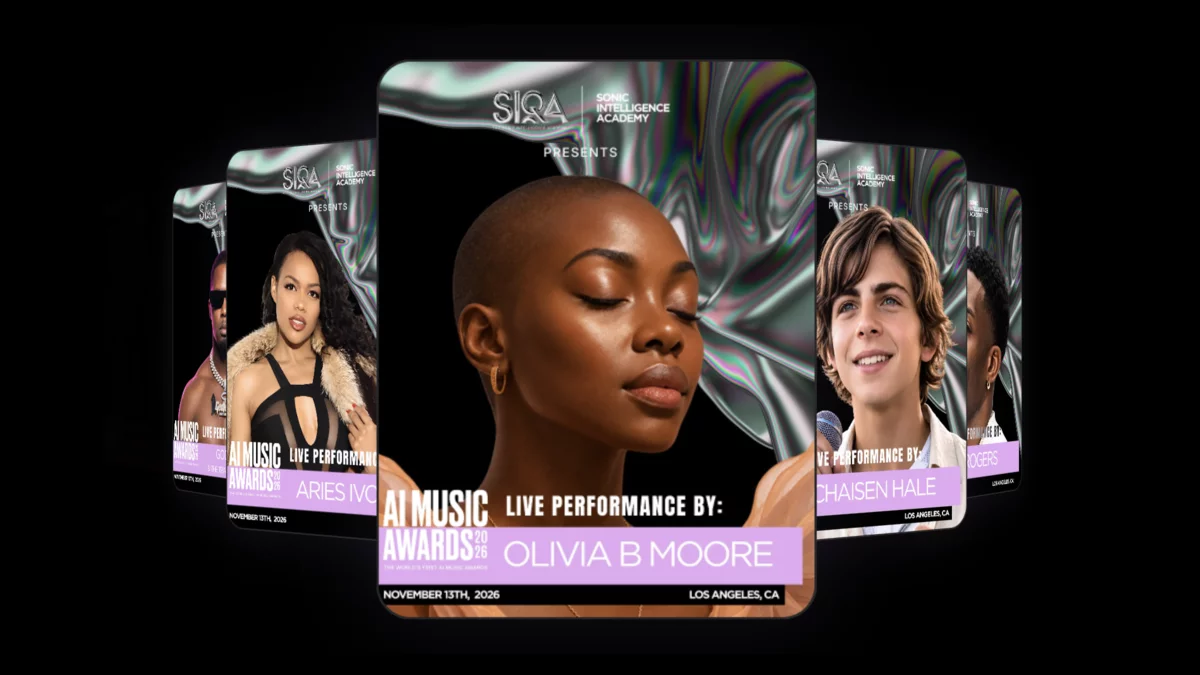
A number of AI ‘artists’ are set to perform ‘live’ at the inaugural AI Music Awards, which will take place at The Mayan in Los Angeles on 13th November.
Among those confirmed is Xania Monet, the act behind the first AI-generated song to enter a Billboard radio airplay chart, ‘How Was I Supposed To Know’. Created by songwriter Telisha “Nikki” Jones, Monet was previously at the centre of a label bidding war before ‘signing’ to Hallwood Media for a reported $3 million.

Other non-human ‘stars’ set to appear include Sheena Taylor, Olivia B Moore, Godfellow, Aries Ivory, Chaisen Hale and EJ Rogers. The show has been developed by Sonic Intelligence Academy (SIQA), which describes itself as a “global hub for ethical, innovative, and groundbreaking AI music” and is backed by venture capital firm 1517 Fund.
According to the organisation, the night will feature “hybrid human and AI showcases staged across the night”, with the creators behind each AI ‘artist’ “directing the stage”. The performances will also feature “a live band, immersive visuals, and more”.
The awards will recognise AI music across categories including Best AI Song, Artist, Album and Producer of the Year, alongside Best AI Group, Best AI Music Video, Best AI Collab and Best AI-Assisted Song. Genre-specific awards will also cover styles including R&B, country, gospel, pop, rock/alternative, hip-hop and jazz.
The news follows SIQA’s launch of the first AI music charts, alongside its Verified Registry and accompanying app. Introduced earlier this year, the technology allows users to document the extent to which AI has been used in their music. According to Music Business Worldwide, of the 1,551 tracks submitted to the services during the first quarter of this year, more than 90% were made using Suno, while almost 76% were distributed through DistroKid.
Earlier this month, Armin van Buuren and Laidback Luke joined the ‘responsible’ AI music company Moises as advisors. This followed a slew of significant decisions aimed at restricting the spread of AI-generated and AI-assisted music, including Beatport banning fully-generative tracks in August.
In April, Deezer confirmed 44% of new uploads to its platform were AI-generated. By July that figure had risen to 50%.