
As younger listeners turn to podcasts, they’re abandoning AM/FM radio. This is bad news for traditional media.
Among listeners ages 13 to 34, spoken word now accounts for as much listening time as AM/FM radio, a dramatic shift from a decade ago.
By Glenn Peoples (Billboard)
Adapted and translated by Carlos Passage
In the second quarter, according to a study by Edison Research, podcasts tied with AM/FM for the share of audio listening among Americans ages 13 to 34. This not only demonstrates that radio is an unfamiliar concept for many young people, but also speaks volumes about the enormous advance of spoken word content. In 2014, AM/FM had a 7-to-1 advantage over podcasts in that age group.
Over the past decade, radio’s influence has diminished as listeners have shifted to online platforms. Spoken word audio has become more popular. Previously, there was a clear line between music and spoken word audio: you listened to music on a streaming platform in a music app, and spoken word content in an audiobook or podcast app.
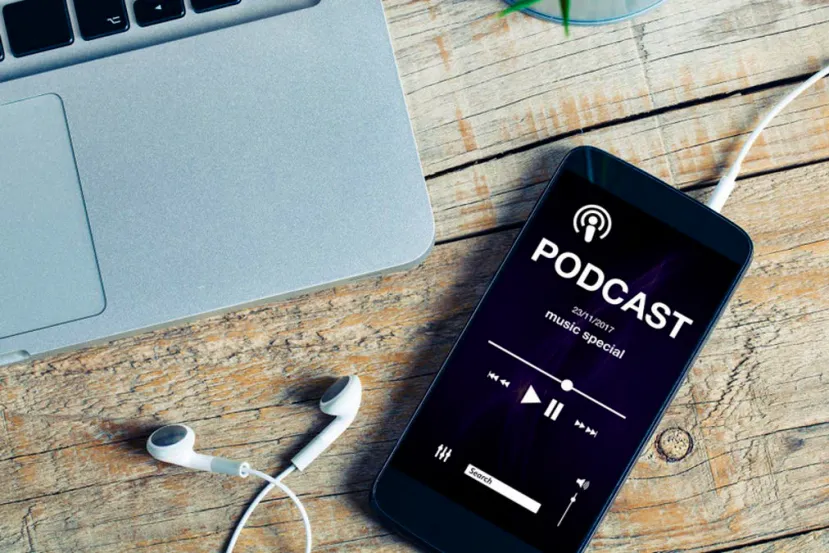
Now, audio is lumped into a single platform, and music competes with spoken word audio (podcasts and audiobooks).
YouTube is the most popular place to listen to both podcasts and music. Spotify combines music, podcasts, and audiobooks, and is strongly pushing video podcasts.
What if musicians pushed themselves further and made their own podcasts?
These days, spoken-word content with hosts and interviews abounds, and musicians compete with actors, comedians, politicians, and other celebrities. The competition is fierce, but the idea of music stars moving toward podcasts, combining their work with music, seems extremely appealing.
In that sense, comparing radio promotion, it seems very simple. The battle for new listeners is at its peak.