
The model is only trained on licensed and authorised content
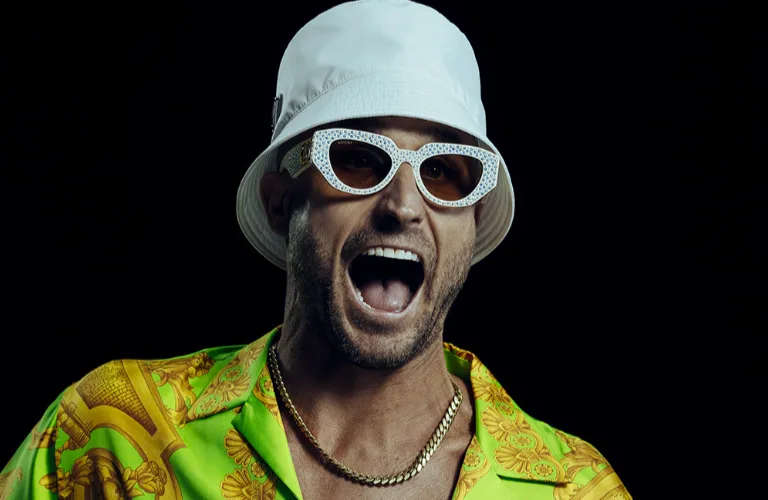
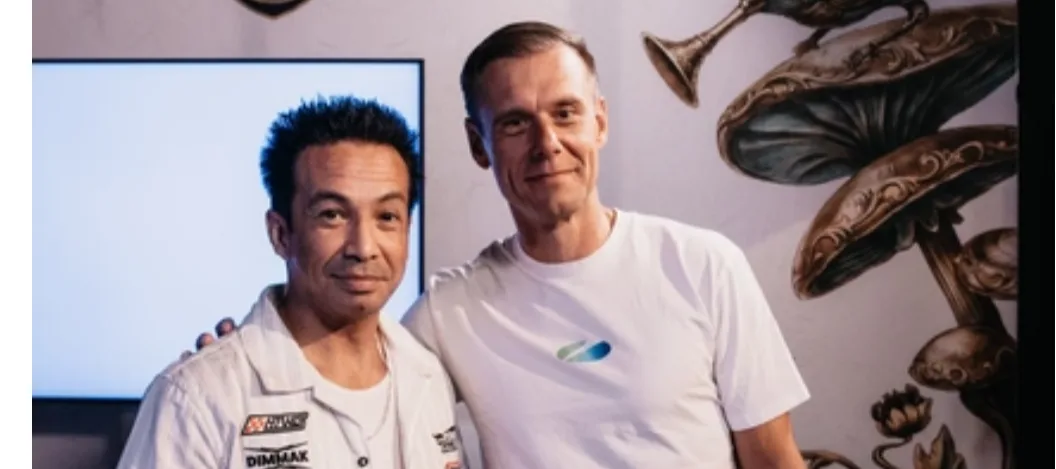
Armin van Buuren and Laidback Luke have partnered with the ‘responsible’ AI music company Moises as the first members of the firm’s Artist Partnerships programme.
Positioning itself as an alternative to other intelligence music platforms such as Suno, Moises claims to only train models on licensed and authorised tracks and files, and has a number of high profile partnerships already signed up. Ableton, Fender, Whitney Houston’s estate, Cory Henry, Jordan Rudess and Berklee Online are all now connected to the system. GRAMMY-nominated pop-maker Charlie Puth became Chief Music Officer earlier this year.
The two EDM stars’ involvement with the company will seemingly include feedback on its DJ and production tools. They will also be on hand to provide insight into the future of audio creation technology, helping develop the software’s suite of studio tools, which already include stem separation and isolation, chord identification, and mastering.

“Electronic music has always moved forward because artists were willing to experiment with new technology,” said Geraldo Ramos, founder and CEO of Moises. “The next generation of creative tools has to be built with musicians, not around them. Armin and Luke understand the craft, the community, and the responsibility that comes with building tools musicians will actually use.”
Initially launched with a focus on dance music, the platform is set to expand with the announcement of more Artist Partnerships covering multiple genres, hoping to build on its current user base of around 80 million people in 190 countries. The US, Brazil, India, France and Japan are amongst the biggest markets.
“Every generation of producers gets new tools, but the best tools do not do the work for you,” said Laidback Luke. “They help you hear more, learn faster, and make stronger creative decisions. That is the kind of AI I want young producers to grow up with.”
“Technology has always been part of how electronic music evolves,” added van Buuren. “What matters is whether the artist stays in control. Moises approaches AI with respect for the musician’s own sound and decision-making, and I’m excited to help build tools that make producers faster and more expressive without taking the creativity out of their hands.”
This summer, SubmitHub reported that almost 40% of all releases in July were made with assistance from artificial intelligence, but one-third of artists flagged as having relied on some form of automation had denied using the technology.
Last month, Beatport announced it was banning fully AI-generated tracks following Sony Music removing 135,000 ‘deep fake’ artificial intelligence songs in March. This move followed similar ones made by platforms such as Traxsource, Bandcamp and Deezer.
The same month, Skrillex joined the legions of artists speaking out against generative music models, telling fans “AI songs can go viral, but you can’t have that feeling of being seen if there isn’t a human on the other side”.
The summer also saw US investigative magazine The Atlantic publish a damning report revealing 21 million copyrighted tracks that were being used to train platforms. Meanwhile, Suno AI recently lost a landmark copyright case in Germany brought about due to its music model training practices. The company’s CEO had previously claimed people “don’t enjoy” making music.