

Mexican rock and Iberian metal converge in the new version of this classic, which features a heavier and more contemporary production; the reinterpretation expands the song’s original character and projects it toward a new sonic stage for the band.
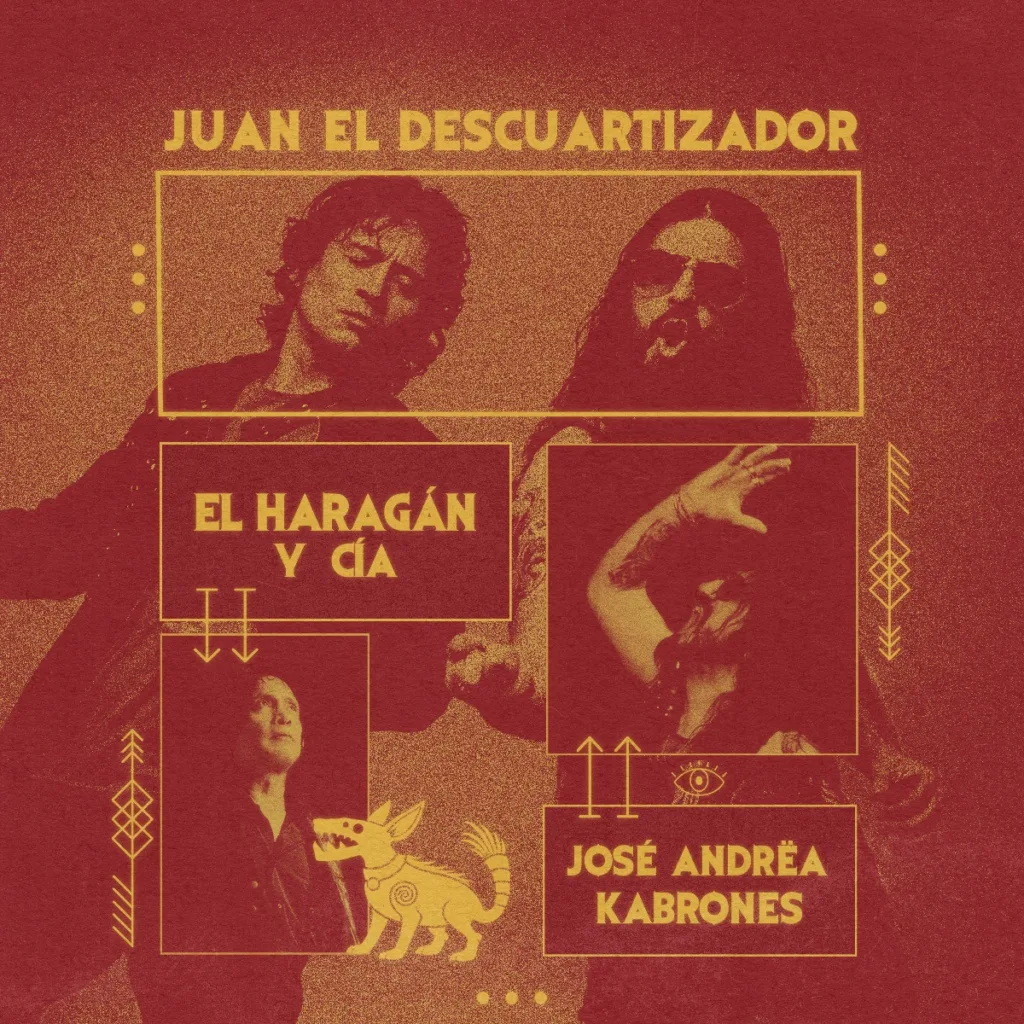
The Mexican band presents a new take on one of its classics alongside the former vocalist of Mägo de Oz and his project Kabrönes. After more than three decades of career, El Haragán y Cía returns to one of the most emblematic songs in its repertoire. The band releases a new version of “Juan el Descuartizador,” now in collaboration with José Andrëa and Kabrönes, in a meeting that brings together Mexican rock with the force of Iberian metal.

The reinterpretation proposes a heavier and more current atmosphere. The guitars take on a more aggressive character, the rhythmic foundation gains forcefulness, and the production pushes the track toward a sound closer to contemporary metal, without losing the narrative essence that turned the song into a classic within the band’s repertoire.
The participation of José Andrëa, remembered for his voice at the helm of Mägo de Oz during key years for Spanish-language metal, brings a particular contrast to the track. His dramatic and powerful register adds an epic dimension to the song, creating a natural bridge between two scenes that have marked generations of followers of Spanish-language rock.
More than a simple new version, the release functions as a rereading of the track from the present: a way of revisiting a classic with new sonic nuances and projecting it toward current audiences.
Formed in 1989 in Mexico City, El Haragán y Cía, led by Luis Álvarez “El Haragán,” consolidated itself over the years as one of the most representative voices of Mexican rock. Its songs, inspired by neighborhood stories, intense loves, excesses, and misunderstandings, became musical portraits of everyday life for thousands of followers.
With more than 11 million records sold, the band has built a repertoire that includes songs that today form part of the imagination of Spanish-language rock, such as “Él No Lo Mató,” “Muñequita Sintética,” “A Esa Gran Velocidad,” and “Juan el Descuartizador” itself.
The release also marks the beginning of a new stage for the group. In 2026, El Haragán y Cía will celebrate 36 years of career with a special concert on May 17 at Arena CDMX, in addition to presenting new music that will include reinterpretations of some of its classics and unreleased material.
Meanwhile, this new version of “Juan el Descuartizador” arrives as a reminder of the band’s continued relevance: a project that, far from remaining in nostalgia, continues finding ways to evolve without losing the identity that made it a reference point in Mexican rock.