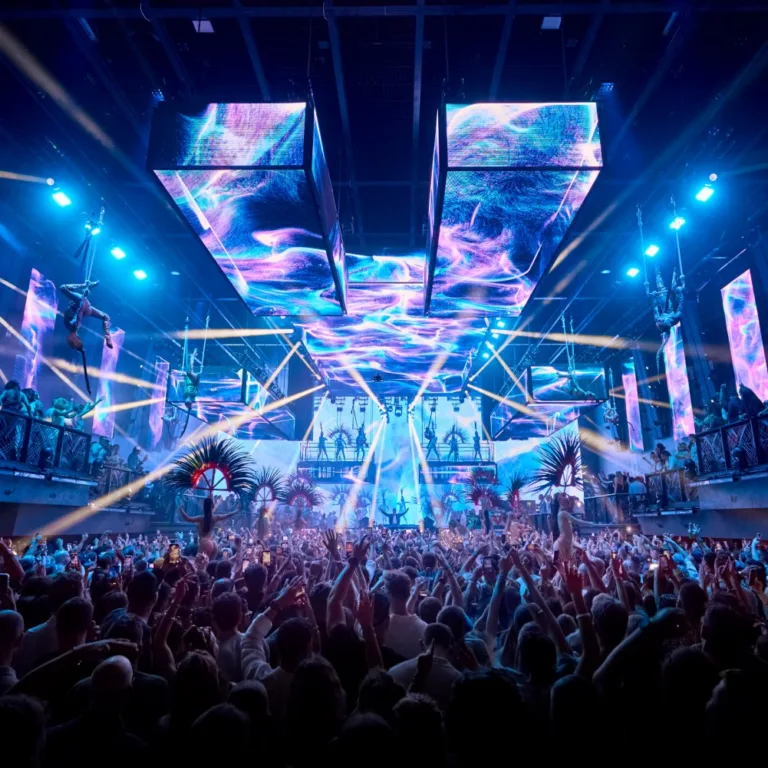
Coffee Parties are redefining the daytime party scene by combining caffeine, music, and community—without the need for alcohol. These events have quickly gained a loyal following, attracting crowds, especially Gen Zers.
According to research, Gen Z consumes less alcohol overall than previous generations, showing a tendency toward and preference for non-alcoholic options.
Millennials and Gen Xers still drink alcohol, but are increasingly aware of its effects and are experimenting with lighter, healthier alternatives.

Baby boomers tend to prefer traditional alcoholic beverages like beer and wine.
Attendees enjoy a party lasting up to four hours with talented DJs, plus unlimited coffee, ice cream, and house milkshakes.
With their growing popularity and a fresh perspective on daytime entertainment, coffee parties offer more than just a caffeine fix: they’re a sensory experience that keeps consumers coming back for more. The events are generally held in the morning or midday.

Generation Z:
Generation Z, also known as Centennials, comprises people born between 1997 and 2012. They are characterized by having grown up in a completely digital environment, being digital natives who have lived in a connected world since childhood. This generation stands out for its ability to learn quickly, its independence, and its strong connection to technology and social media.

Main characteristics of Generation Z:
Digital Natives:
They have grown up with the internet, social media, and mobile devices, making them tech-savvy.
Self-Taught Learners:
They tend to be self-taught, learning new skills and knowledge through the internet and online tutorials.
Autonomy and Creativity:
They are characterized by their autonomy, creativity, and ability to adapt to new situations.
Social Awareness:
Many members of Generation Z seek a clear purpose in their actions, both professionally and personally, and are involved in social causes.
Relationship with Technology:
Their primary relationship with the digital world is through mobile devices and social media.
Influence on Consumption:
Their influence on consumption is significant, as they are digital consumers who seek experiences and brands that align with their values.
Mental Health:
They face mental health challenges, such as stress, anxiety, and depression, partly due to the pressure for perfection and constant digital connection.